
Leading Waterproofing Products to Protect Your Property
Discover top waterproofing solutions designed to prevent leaks, enhance durability, and ensure long-lasting protection for your space.
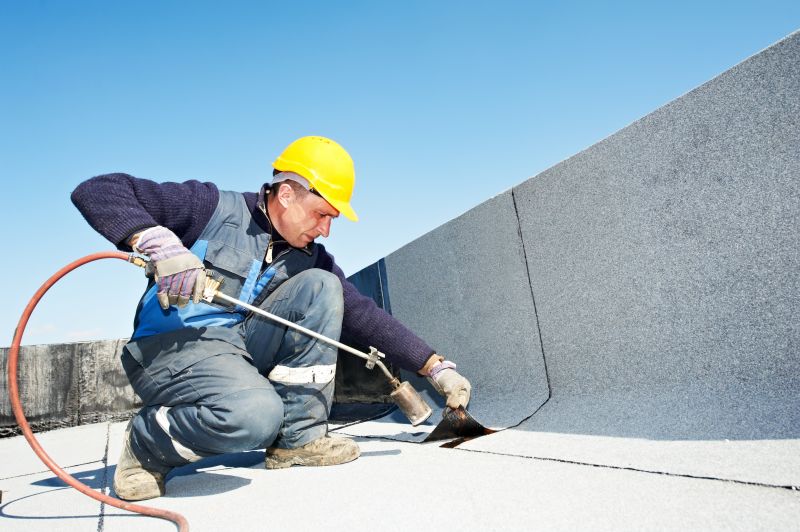 Waterproofing products are essential solutions for protecting structures from moisture intrusion, leaks, and water damage. Whether safeguarding basements, roofs, foundations, or outdoor surfaces, choosing the right waterproofing materials can significantly improve durability and longevity. These products come in various forms, including liquid coatings, sealants, membranes, and tapes, each designed to address specific needs and application scenarios. Proper selection and application are crucial to ensure effective water resistance and to prevent future issues caused by water infiltration.
Top Overall Option
Liquid Waterproofing Membrane
A versatile and seamless solution that forms a durable barrier against water intrusion. Suitable for various surfaces such as roofs, foundations, and decks, liquid membranes are easy to apply with brushes, rollers, or sprayers. They offer flexibility, adhesion, and a continuous coating that minimizes joints and seams, which are common points of failure in waterproofing systems. This type of product is often favored for its ease of use and adaptability to different project sizes and shapes.
Types of Products For Waterproofings
Bituminous Coatings
Asphalt-based coatings that provide a protective layer on roofs and foundations, offering resistance to water and weathering.
Polyurethane Sealants
Flexible sealants ideal for sealing joints, cracks, and seams in various building surfaces, providing waterproof barriers.
Rubberized Membranes
Sheet membranes made from rubber or similar materials, used for roof decks, basements, and pond linings.
Cementitious Waterproof Coatings
Waterproof coatings that can be applied directly onto concrete or masonry surfaces, forming a hard, protective layer.
Liquid Rubber Coatings
Flexible, liquid-applied coatings that cure to form a seamless, rubber-like waterproof layer.
Bitumen Sheets
Pre-fabricated sheets made from bitumen, often used in roofing and below-grade waterproofing applications.
Acrylic Waterproof Coatings
Water-based coatings suitable for surfaces like stucco or concrete, offering ease of application and weather resistance.
Polyurea Coatings
Rapid-curing, high-performance coatings used in demanding waterproofing environments like industrial floors or bridges.
Waterproofing Tapes
Self-adhesive tapes that provide quick sealing solutions for minor cracks and joints.
Crack Fillers
Specialized compounds designed to fill and seal cracks in concrete and masonry surfaces before applying waterproof coatings.
Drainage Matting
Materials installed behind waterproof membranes to facilitate water drainage and reduce hydrostatic pressure.
Waterproofing Paints
Thin coatings that can be painted onto surfaces to impart water resistance, often used for interior walls.
Hydrophobic Sealants
Sealants that repel water and prevent absorption into porous materials like stone or brick.
Spray-On Waterproofing
Application of waterproofing solutions via spray equipment for large or irregular surfaces.
Hydrostop Membranes
Flexible membranes used in roofing and below-grade waterproofing, known for their durability.
Polymer Modified Bitumen
Enhanced bitumen sheets with added polymers for improved flexibility and waterproofing performance.
Popular Choices
Widely used for its seamless coverage and adaptability across various surfaces.
Commonly applied for foundational and roofing projects due to their proven water resistance.
Popular for sealing joints and cracks in both residential and commercial buildings.
Favored for their flexibility and longevity in waterproofing applications.
Often selected for basement walls and concrete structures for their ease of application.
Useful for quick repairs and sealing minor leaks in various surfaces.
Chosen for their weather resistance and ease of application on exterior surfaces.
Preferred in industrial settings for their rapid curing and high durability.
Simple to apply for interior walls and surfaces requiring moisture resistance.
Essential for preparing surfaces before applying waterproof membranes or coatings.
Often installed behind membranes to improve water drainage and reduce hydrostatic pressure.
Ideal for covering large, irregular, or hard-to-reach surfaces efficiently.
Effective for porous materials like stone or brick to prevent water absorption.
Popular in roofing projects for their flexibility and weather resistance.
In residential settings, waterproofing often involves sealing basement walls, applying roof coatings, or treating concrete surfaces. For commercial and industrial projects, more advanced systems such as liquid membranes or sheet membranes might be necessary to meet higher demands. The diversity of waterproofing products allows for tailored solutions that match different surfaces, environmental conditions, and budget considerations. It is important to consider the compatibility of products with existing materials and the ease of application when making a selection.
Maintenance and ongoing inspections are also vital components of a successful waterproofing strategy. Regularly checking for signs of wear, cracks, or breaches can help address issues early before they escalate into costly repairs. Consulting with professionals or experienced suppliers can provide valuable guidance on choosing the most suitable products for specific projects. Overall, investing in quality waterproofing materials can help protect properties from water-related damages, ensuring structural integrity and peace of mind over time.
Key Buying Considerations
- Compatibility with the surface material to ensure proper adhesion and effectiveness.
- Type of waterproofing needed—whether for above-ground, below-grade, or surface protection.
- Ease of application and whether professional installation is recommended.
- Flexibility and durability of the product to accommodate structural movement or settling.
- Environmental conditions such as exposure to UV, temperature fluctuations, or chemical exposure.
- Coverage area to determine the quantity required for your project.
- Drying or curing time, especially if multiple coats or layers are necessary.
- Compatibility with existing waterproofing systems or coatings.
- Cost-effectiveness considering both material price and longevity.
- Ease of maintenance and potential for future repairs or touch-ups.
- Application method—brush, roller, spray, or peel-and-stick—based on project scope.
- Resistance to common environmental stresses like wind, rain, and temperature changes.
- Potential for re-application or repair without removing existing coatings.
- Manufacturer reputation and product reviews to gauge reliability and performance.
- Compliance with local building codes and standards.